
MERCHANT HIGHLIGHT
Reptilia: What's Actually Waiting for You Behind Those Doors
Before you grab a WagJag deal for Reptilia, here's the honest rundown: the animals, the ticket prices, the conservation work most guests never hear about, and answers to the questions people search for before they go.
TODAY'S WAGJAG DEAL
General Admission to Reptilia, 3 Ontario Locations
Valid at Vaughan, Whitby & London, 7 days a week. Voucher valid September 1 to November 30, 2026. Paid value never expires.
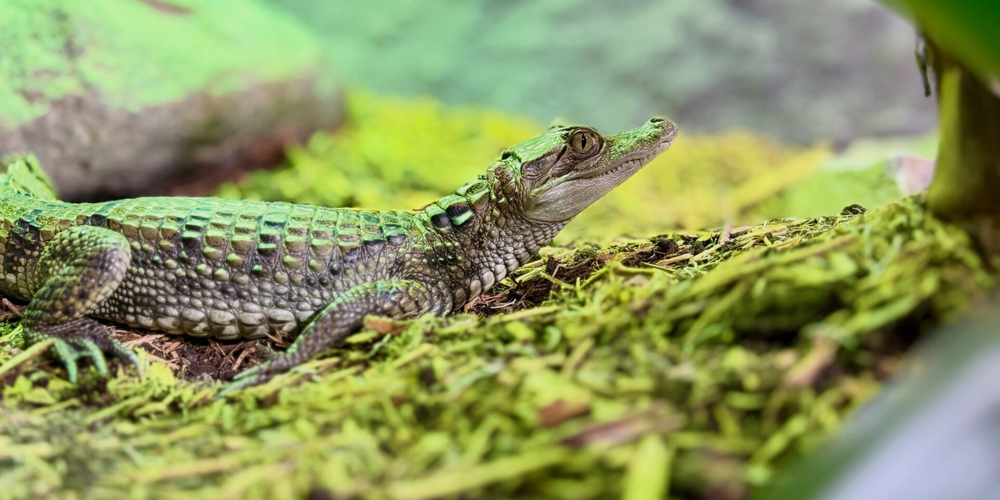
Reptilia is Canada's largest network of reptile zoos; most people walk in expecting a room of snakes behind glass and walk out having watched a croc get hand-fed six feet away. It's bigger and weirder and more hands-on than the name lets on.
If you've searched "reptile zoo near me" or typed "Reptilia Vaughan" into Google trying to figure out if it's worth the drive, this is the guide. We pulled from Reptilia's own site, including their conservation program, so you know exactly what you're walking into.
So what is Reptilia, exactly?
Reptilia isn't one zoo. It's three, spread across Vaughan, Whitby, and London, Ontario, and each one is fully indoor and climate-controlled. That last part matters more than it sounds like it should: this is a plan-B-for-rain kind of place, but also a plan-A-in-February kind. No weather, no seasons, no closures for cold snaps.
Together, the three facilities hold over 250 species of reptiles, amphibians, arachnids, and fish, much of it stuff you genuinely won't find anywhere else in Canada. Every ticket includes the exhibits, daily animal shows, guided tours, and live feedings. Nothing is roped off as a paid upgrade unless you're booking a specialty VIP encounter.
Meet the animals
This is the part people underestimate. "Reptile zoo" undersells it a little. Yes, there are reptiles, but there's a lot more crawling, swimming, and slithering around than that word implies.
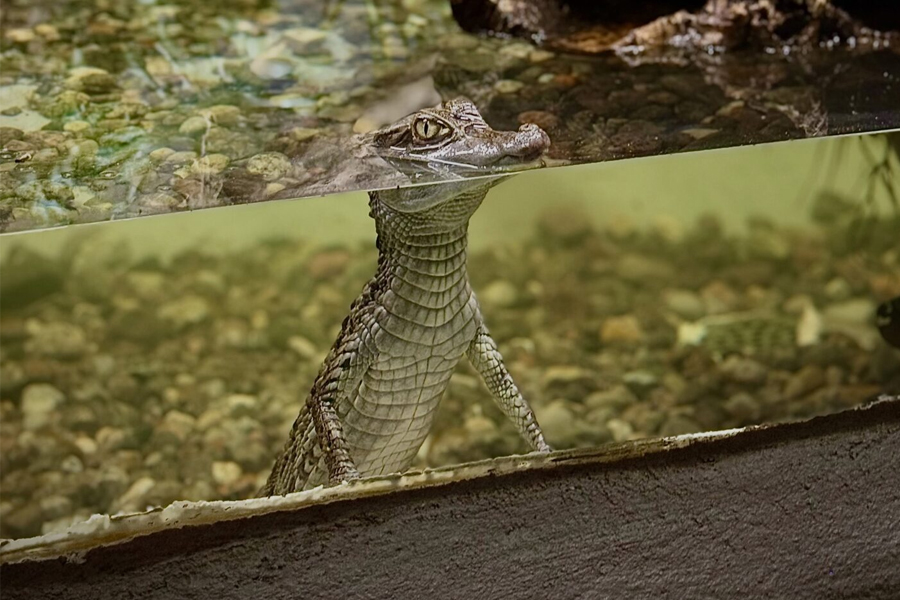
Crocodilians
American alligators, Nile crocodiles, spectacled caimans, and Cuvier's dwarf caimans, the animals most guests come specifically to see up close during feeding demonstrations.
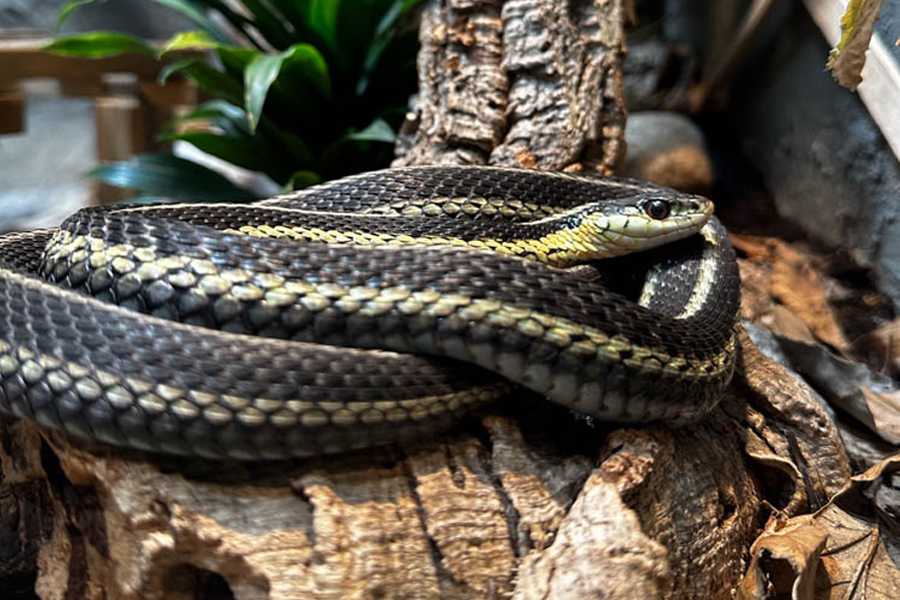
Giant & venomous snakes
Reticulated pythons, green anacondas, and Burmese pythons, alongside a genuinely unsettling lineup of venomous species: black mambas, eastern green mambas, monocled cobras, and multiple rattlesnake species.
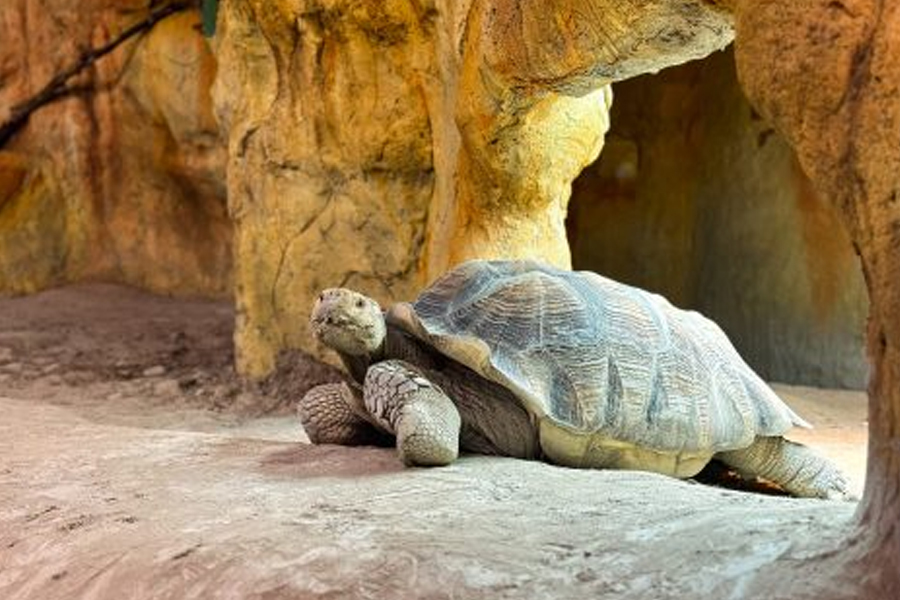
Turtles & tortoises
Alligator snapping turtles, sulcata tortoises, leopard tortoises, and several at-risk native species like Blanding's turtles and the painted river terrapin, animals Reptilia is helping recover in the wild.
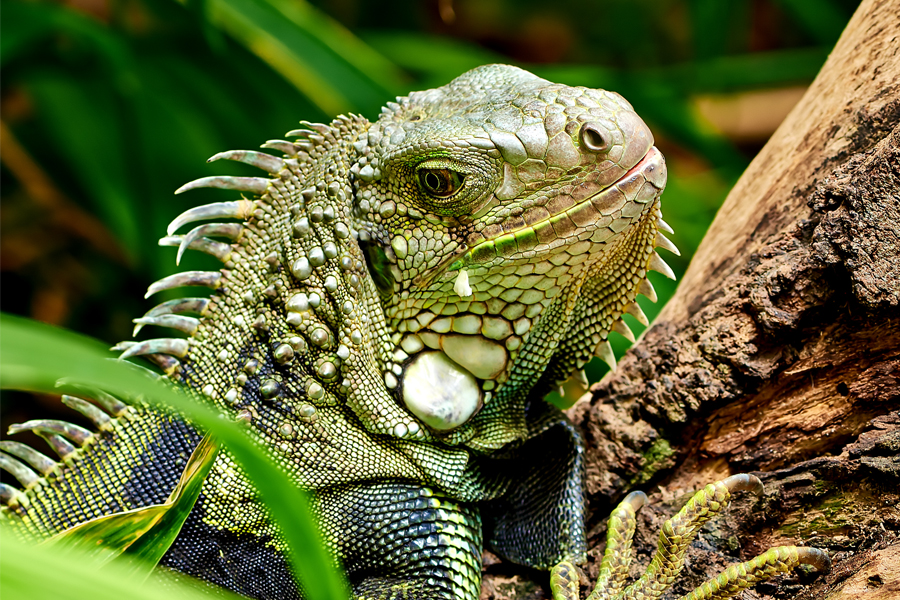
Lizards & monitors
Green iguanas, panther chameleons, crocodile monitors, frilled lizards, and bearded dragons, plus the axolotl, which draws its own small cult following every visit.
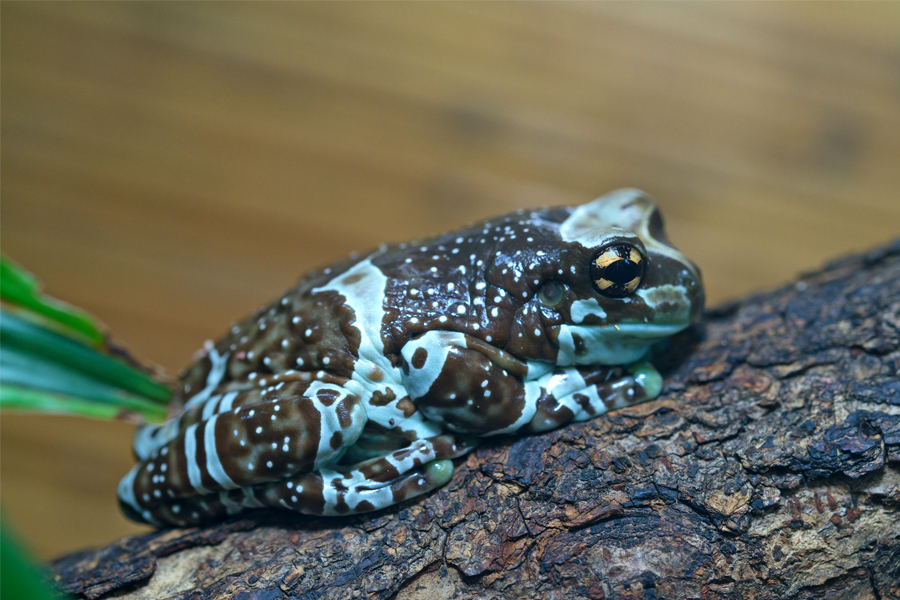
Amphibians & fish
African bullfrogs, Amazon milk frogs, spotted salamanders, and an aquatic wing with arapaima, red-tail catfish, and alligator gar, some of the largest freshwater fish species on the planet.
Every animal on the floor also has its own profile page on Reptilia's website if you want to look up something specific before you go, handy if you've got a kid who's already decided the crocodile monitor is their favourite thing in the world and needs to know everything about it on the drive over.
More than a zoo: the conservation work behind it
Here's the part most visitors don't clock on the way in, and it's honestly the most interesting thing about the place. Roughly 85% of the animals living at Reptilia are rescues, displaced by the exotic pet trade, habitat loss, or situations where they simply couldn't stay where they were. The zoo functions, in a real sense, as a safety net for animals that had nowhere else to go.
Reptilia has been dedicated to the protection and preservation of global herpetofauna through a philosophy of hands-on education and research.
From there, the conservation work goes deeper than most attractions bother with:
The Reptilia Conservation Corridor
A newer initiative aimed at connecting fragmented habitats so native species can move safely across Ontario's landscape, a direct response to how much habitat fragmentation is hurting local wildlife.
CAZA Biodiversity Biobank
Launched in partnership with the Canadian Museum of Nature, this national program preserves genetic material (DNA and tissue samples) from at-risk species using cryogenic storage. Reptilia contributes samples from its own collection, essentially banking the genetic diversity of vulnerable species in case it's needed for future recovery work.
Species Survival Plans (SSP)
Reptilia takes part in coordinated breeding programs with other accredited North American zoos, with a particular focus on threatened turtle species. The goal is to keep populations genetically healthy enough to eventually support reintroduction into the wild.
Conservation planning for Canadian snakes
Reptilia sits in on national workshops focused specifically on native Canadian snake species, contributing expertise on husbandry and care that feeds back into wild population recovery plans.
Antivenom Canada
A less publicized project: Reptilia manages a specialized database and logistics network that helps connect Canada's public healthcare system with antivenom resources in emergencies. Not something you'd expect from a family attraction, but it's part of why Reptilia is taken seriously in the conservation world and not just seen as a tourist stop.
None of this is locked behind a members-only program, either. It's baked into a regular visit. Every ticket you buy is, in a small way, funding this work.
What's included with every ticket
- Full access to all exhibits and pavilions across the location you visit
- Daily animal shows and guided tours
- Live feedings, including the crocodile and alligator feeds guests come specifically for
- Indoor kids' playground
- Fully indoor, climate-controlled facility (rain or snow doesn't change the plan)
- Free parking at all three locations
If you want to get hands-on, Reptilia also runs VIP behind-the-scenes experiences and animal encounters that go beyond general admission. Worth a look if the trip is for a birthday or a reptile-obsessed kid who wants more than a walk-through.
Good to know before you go
Hours: Open every day of the year except Christmas Day. Regular hours are 10 AM–6 PM, with slightly shorter 10 AM–5 PM hours on statutory holidays.
Regular admission (for reference, outside of any WagJag offer): Vaughan and Whitby share the same pricing: adults $24, seniors $20, youth (7–12) $18, children (2–6) $14, infants free. London runs slightly lower at $22 adult. Memberships are also available starting around $80/year for individuals if you know you'll be back more than once or twice.
Locations
Ticket and membership prices are Reptilia's standard rates as listed on reptilia.org at time of writing and are subject to change. Check your WagJag voucher for the exact value and any location restrictions before you book.
Common questions, answered
Is Reptilia open today?
Yes, Reptilia is open all year except Christmas Day. Daily hours run 10 AM to 6 PM, shortened to 10 AM–5 PM on statutory holidays. All three locations follow the same schedule.
Does Reptilia have a gift shop?
Yes, each location has an on-site store selling reptile-themed gifts and merchandise, and Reptilia members get 15% off store purchases along with camps, birthday parties, and programs.
Is there food available on-site?
Reptilia's facilities are built around the exhibits rather than a full dining hall, so don't plan a sit-down meal there. It's worth checking your specific location's page or calling ahead if food options matter for your visit, especially if you're coming with young kids or planning a longer stay.
Can you hold or touch the animals?
General admission includes guided tours, live feedings, and shows where animals are brought out for guests to see up close. For actual hands-on time, Reptilia offers separate VIP experiences and animal encounters that can be booked in addition to a regular visit.
Which Reptilia location should I visit: Vaughan, Whitby, or London?
All three run the same core experience (exhibits, shows, tours, and feedings), so the honest answer is: whichever is closest to you. Vaughan and Whitby share identical admission pricing; London runs about $2 cheaper per ticket. If you're near southwestern Ontario, London saves the drive to the GTA.
Is Reptilia good for toddlers and young kids?
Yes. It's fully indoor and stroller-friendly, there's an indoor playground included with admission, and infants under 2 get in free at every location. The shows and feedings are timed throughout the day, so you can build a loose schedule around nap times rather than rushing.
Worth the visit?
If you've got a kid who narrates every nature documentary from the couch, or you just want an indoor outing that isn't a trampoline park, yeah, it's worth it. Between the sheer range of animals and the fact that your ticket is quietly funding real conservation work, Reptilia earns the hype it gets on parenting forums.